








Email Support

contact@trueunitedvision.com

+966 575196520

+971542463394

Empowering You to Work Safe, Stay Safe

Comprehensive safety training programs designed to protect lives, reduce risks, and ensure compliance with workplace safety standards.

Advanced/Post Graduate Diplomas

Fire and Safety

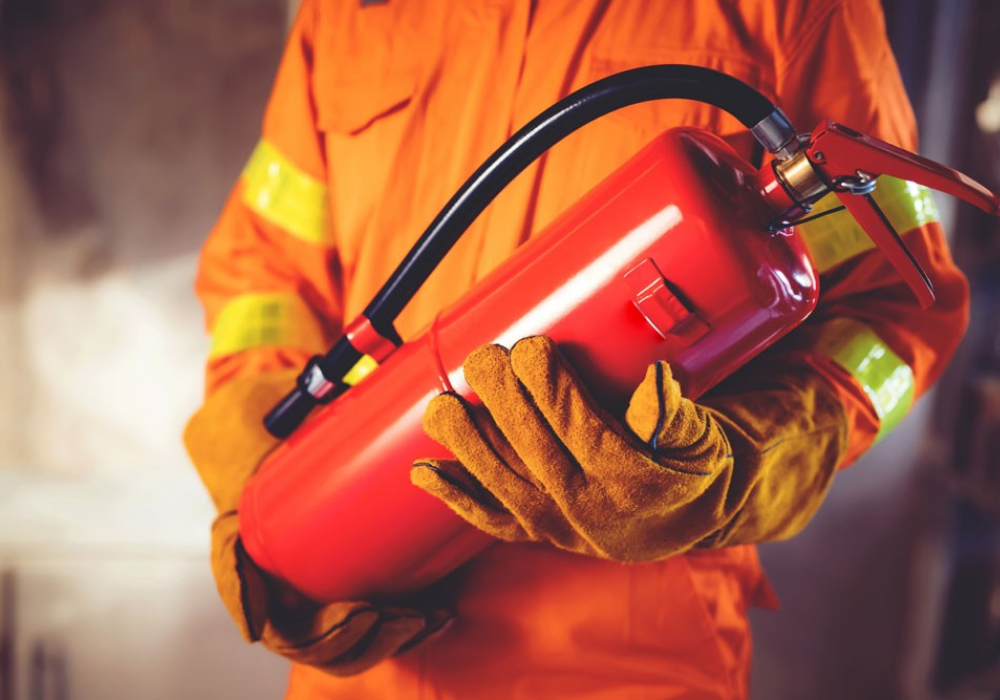
Fire and safety refer to the various practices and protocols implemented to prevent, protect, and respond to fire-related incidents. Fire safety is crucial in all settings, including homes, offices, industrial facilities, and public spaces, to ensure the safety of people and property. Here are some key aspects of fire and safety: Overall, fire and safety…


Health Safety and Environment

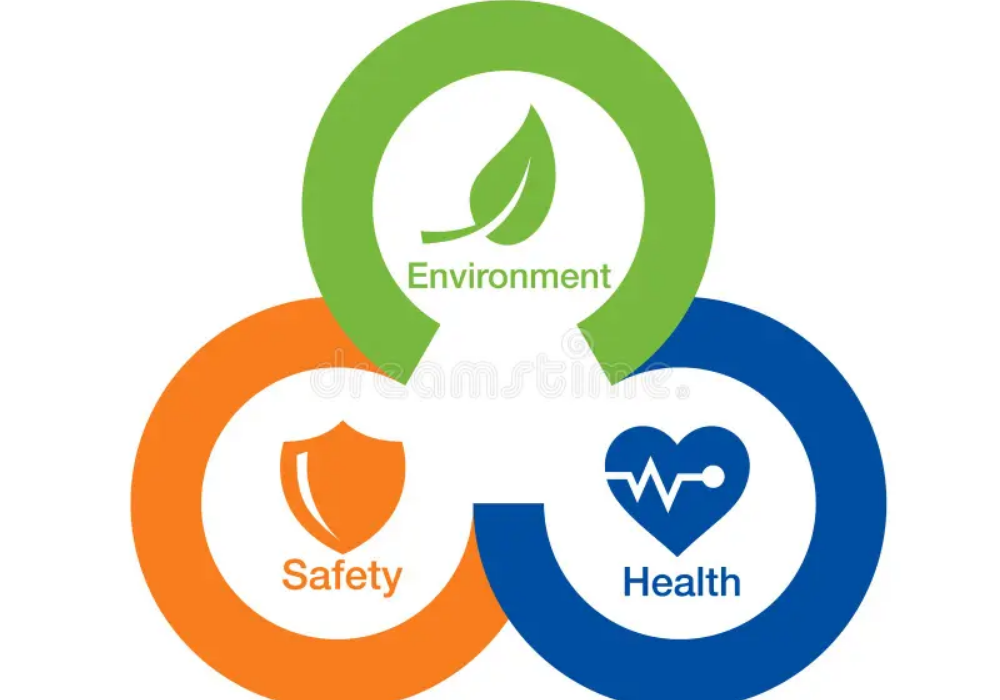
Health, Safety, and Environment (HSE) refers to the integration of health, safety, and environmental protection principles into the planning, design, construction, operation, and maintenance of facilities and operations. The goal of HSE is to ensure that people are protected from harm, the environment is protected

Industrial Safety

Industrial safety refers to the various practices and protocols implemented to ensure the safety of workers, equipment, and the environment in industrial settings. Industrial settings include factories, warehouses, refineries, and other manufacturing facilities. Industrial activities are considered hazardous due to the presence of heavy machinery, hazardous materials, and potentially dangerous processes.

Construction Safety

Construction safety refers to the various practices and protocols implemented to ensure the safety of workers, equipment, and the public during construction activities. The construction industry is considered one of the most hazardous industries due to the high-risk nature of its operations. Here are some key aspects of construction safety

Health Safety and Environment

Health, Safety, and Environment (HSE) refers to the integration of health, safety, and environmental protection principles into the planning, design, construction, operation, and maintenance of facilities and operations. The goal of HSE is to ensure that people are protected from harm, the environment is protected

Oil and Gas Safety

Oil and gas safety refers to the various practices and protocols implemented to ensure the safety of workers, equipment, and the environment in the oil and gas industry. The oil and gas industry is considered one of the most hazardous industries due to the high-risk nature of its operations. Here are some key aspects of

Corporate Training

Observation Data Management

Observation data management is a process that involves collecting, analyzing, and utilizing data from safety observations to improve safety performance in the workplace. Safety observations are conducted to identify potential hazards and unsafe behaviors in the workplace and provide information for safety improvement.

Hazard Recognition

Hazard recognition is the process of identifying potential hazards in the workplace before they can cause harm to workers or other individuals. Hazard recognition is an essential component of any effective occupational health and safety program. By identifying and addressing hazards, employers can prevent workplace injuries and illnesses and create a safer work environment.

Behavior Quality Improvement

Behavior Quality Improvement (BQI) is a management approach that focuses on improving the behavior of individuals to enhance the quality of products and services. The BQI approach recognizes that the quality of a product or service is the result of the behavior of the people involved in the process, from design and development to production.

Behaviour Based Safety

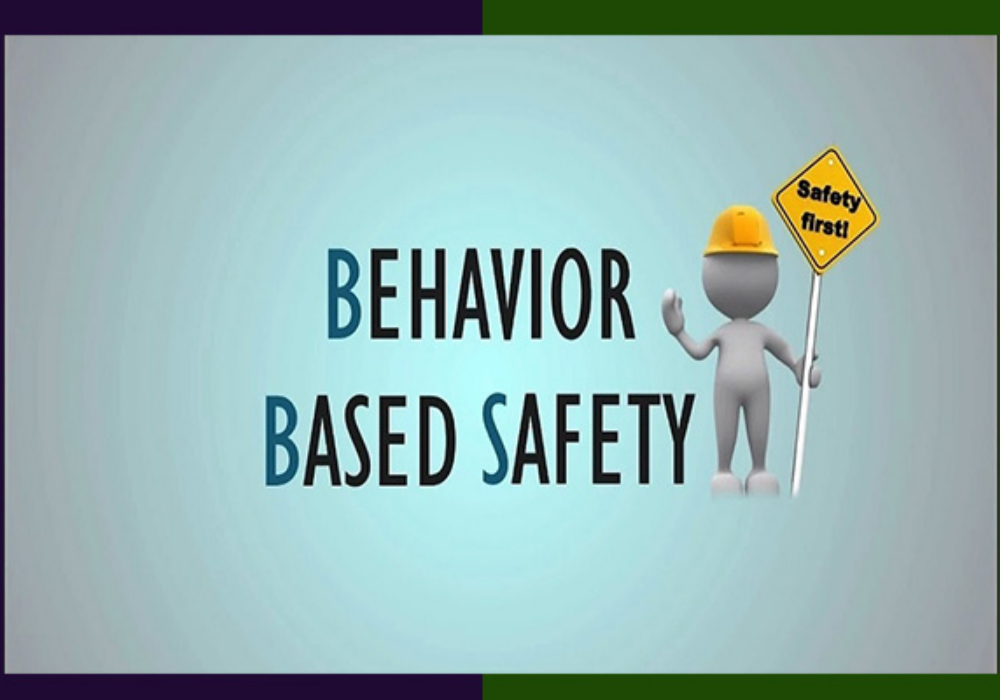
Behaviour-based safety (BBS) is a safety management approach that focuses on the behavior of individuals and the role that behavior plays in workplace safety. The core principle of BBS is that behavior is the result of a complex interaction between individual characteristics, environmental factors, and the task being performed.

Indian Standard of Safety

The Indian standard of safety is governed by the Occupational Safety, Health and Working Conditions Code (OSH Code) and various other laws and regulations related to workplace safety and health. The OSH Code was introduced in 2019 and consolidates and rationalizes the laws related to occupational safety and health in India.

OSHA Standard

OSHA (Occupational Safety and Health Administration) standards are regulations developed and enforced by OSHA to ensure safe and healthy working conditions for employees in the United States. The standards cover a wide range of workplace hazards, including chemical, physical, and biological hazards, as well as hazards related to machinery, equipment, and work processes.

National Electrical Code

The National Electrical Code (NEC) Article 100 provides definitions for terms used throughout the code to ensure a common understanding of the language and technical terminology used in the code. The definitions in Article 100 are essential for correctly interpreting and applying the requirements of the NEC.

National Fire Protection Association

NFPA 70E is a standard published by the National Fire Protection Association (NFPA) that provides guidelines for electrical safety in the workplace. The standard specifically focuses on the protection of workers from electrical hazards associated with electrical energy during activities such as installation, maintenance, repair, and demolition of electrical equipment and systems.

International Courses

National Fire Protection Association (NFPA) Certified Fire Protection Specialist

NFPA CFPS stands for the National Fire Protection Association (NFPA) Certified Fire Protection Specialist certification. It is a professional certification that is designed for individuals who have demonstrated a high level of expertise in fire protection engineering, fire prevention, and fire safety. 

National Fire Protection Association (NFPA) Certified Fire Inspector 2

NFPA CFI 2 stands for the National Fire Protection Association (NFPA) Certified Fire Inspector 2 certification. It is a professional certification that is designed for individuals who have achieved a higher level of expertise in fire inspection and code enforcement than the CFI 1 certification.

National Fire Protection Association (NFPA) Certified Fire Inspector 1

NFPA CFI 1 stands for the National Fire Protection Association (NFPA) Certified Fire Inspector 1 certification. It is a professional certification that is designed for individuals who are responsible for inspecting buildings and enforcing fire codes and regulations.

NEBOSH International General Certificate

NEBOSH IGC stands for the NEBOSH International General Certificate in Occupational Health and Safety. It is a globally recognized qualification in occupational safety and health (OSH) that is suitable for people working in any industry or sector. The NEBOSH IGC covers a wide range of OSH topics, including hazard identification

NEBOSH Health and Safety at Work

NEBOSH HSW stands for the NEBOSH Health and Safety at Work qualification. It is an entry-level qualification in occupational safety and health (OSH) that is suitable for people working in any industry or sector who need a basic understanding of OSH principles and practices. 

Occupational Safety and Health Administration

OSHA stands for the Occupational Safety and Health Administration, which is a federal agency of the United States Department of Labor. OSHA was created by the Occupational Safety and Health Act of 1970, and its mission is to ensure that American workers have a safe and healthy working environment by setting and enforcing safety standards

Institute of Occupational Safety & Health (IOSH)

IOSH stands for the Institution of Occupational Safety and Health, which is a professional body for occupational safety and health (OSH) in the United Kingdom. IOSH is the world’s largest professional health and safety membership organization, with over 47,000 members across 130 countries. IOSH provides a wide range of resources and training for individuals 

Short Duration Training

Material Handling(Manual and Machine)

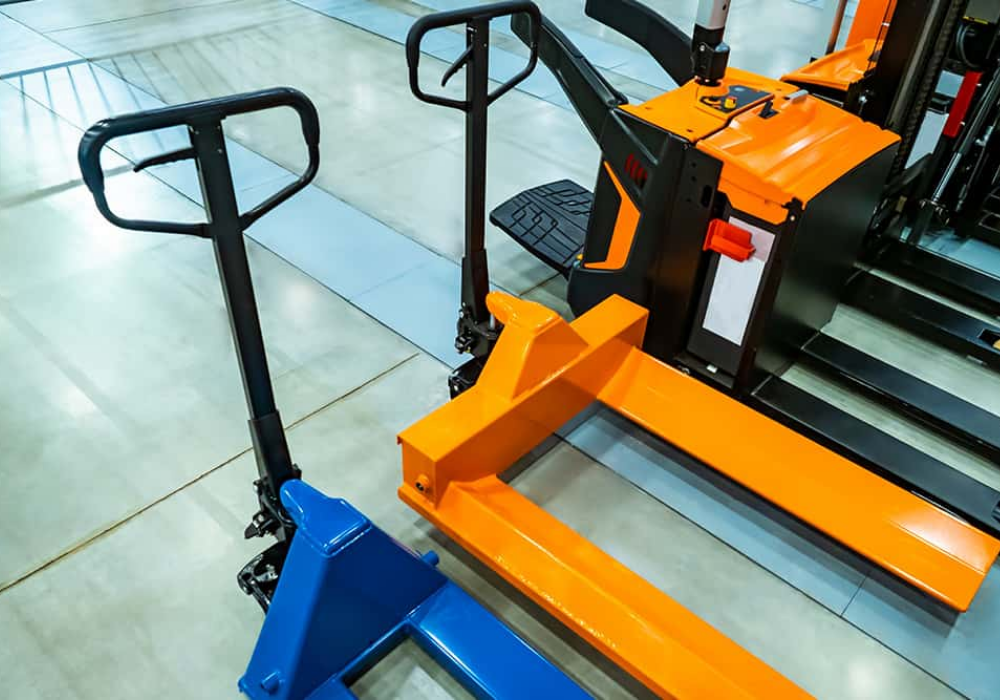
Material handling refers to the movement, storage, control, and protection of materials and products in the workplace. Material handling can be done manually or with the use of machines, such as forklifts, conveyors, and cranes. Manual Material Handling: Manual material handling involves moving materials by hand, using physical exertion. 

House Keeping

Housekeeping in the workplace refers to the practice of keeping the work environment clean, organized, and free from hazards. Maintaining a clean and orderly workplace is important for several reasons, including: To maintain good housekeeping in the workplace, employers and workers should follow some general guidelines

Personal Protective Equipment

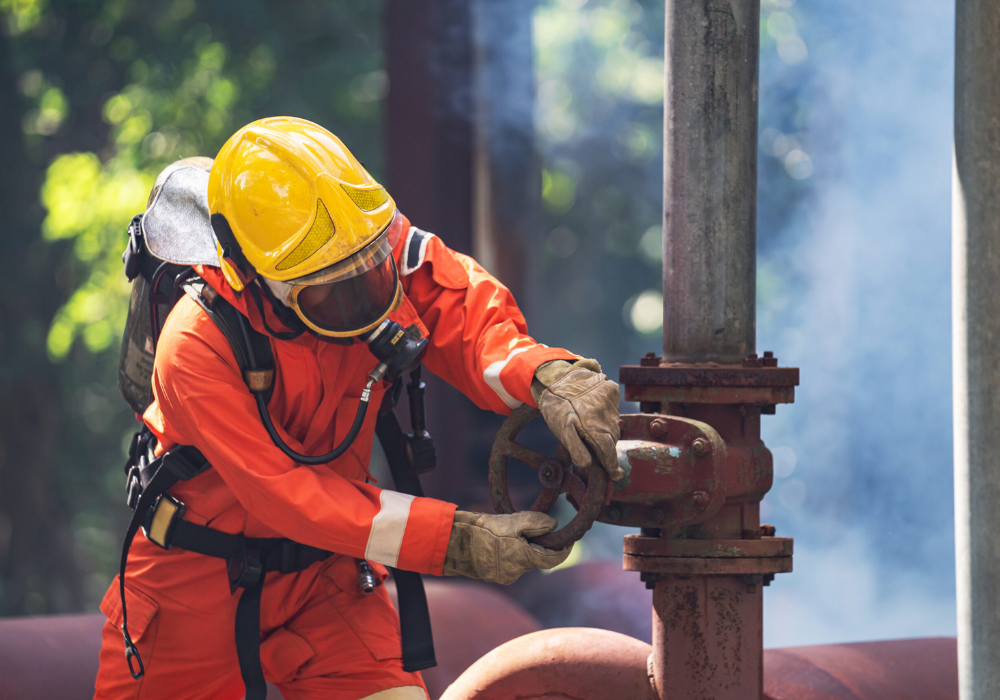
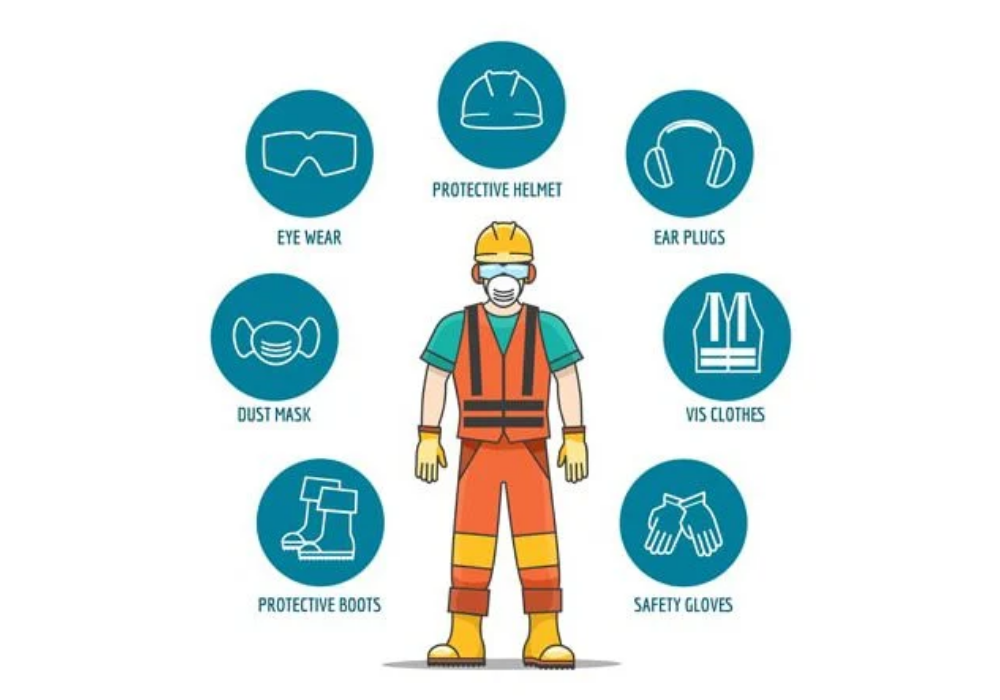
Personal Protective Equipment (PPE) refers to any equipment or clothing worn by workers to protect them from potential hazards in the workplace. PPE is designed to protect the body from physical, chemical, biological, and radiological hazards that can cause injury or illness. Examples of PPE include safety glasses, gloves, hard hats, respirators, earplugs or earmuffs

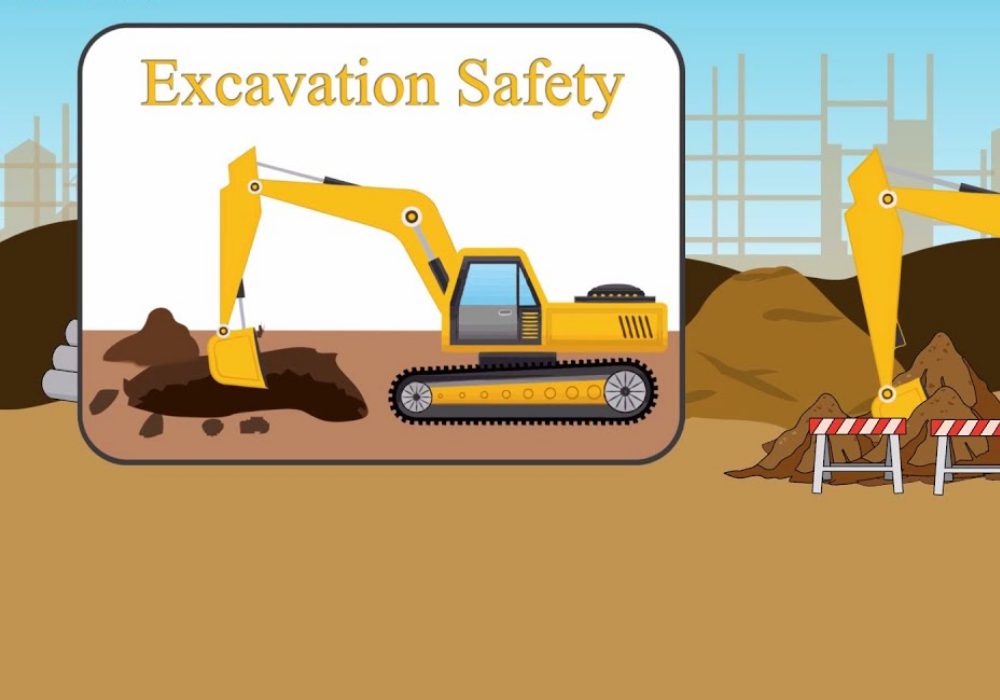
Excavation Safety

Excavation safety is the practice of ensuring that workers are protected while performing excavation work, such as digging trenches, laying pipes, or installing foundations. Excavation work is a high-risk activity that can result in cave-ins, falls, and other serious accidents if not properly planned and executed.

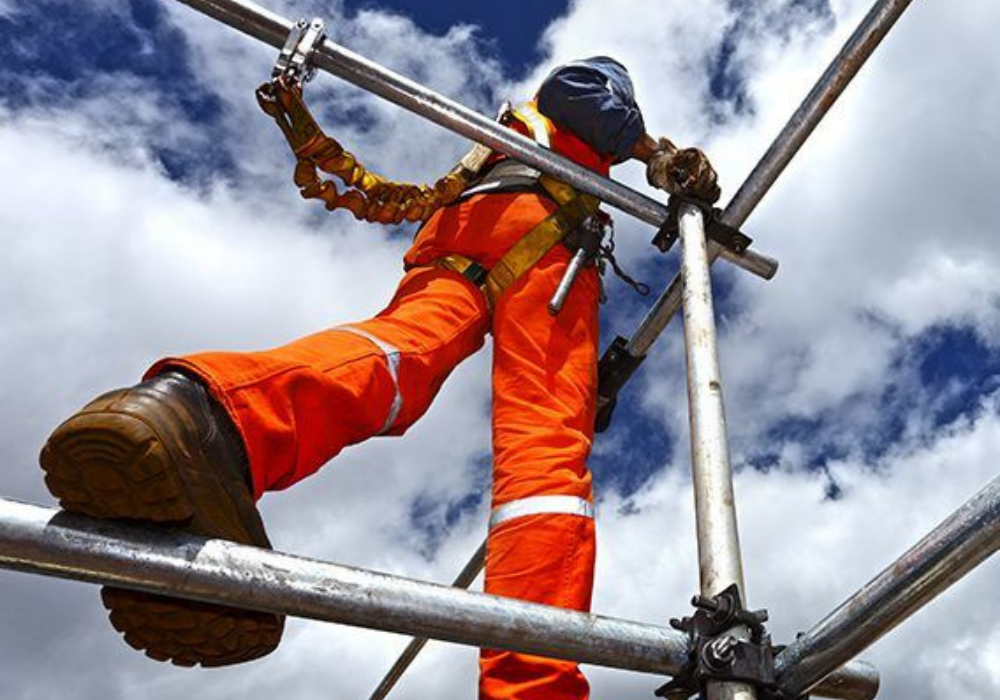
Work at Height

Work at height refers to any work that takes place at a height where a person could fall and suffer injury. This includes work on ladders, scaffolding, roofs, and other elevated platforms. Work at height is a significant hazard in many industries, including construction, maintenance, and repair. To ensure work at height safety, employers.

Electrical Safety

Electrical safety is the practice of ensuring that electrical hazards are identified, assessed, and mitigated to prevent injury or death caused by electric shock, electrical burns, or electrical fires. Electrical safety is a critical aspect of workplace safety in industries such as construction, manufacturing, and utilities. To ensure electrical safety, employers must follow specific regulations.

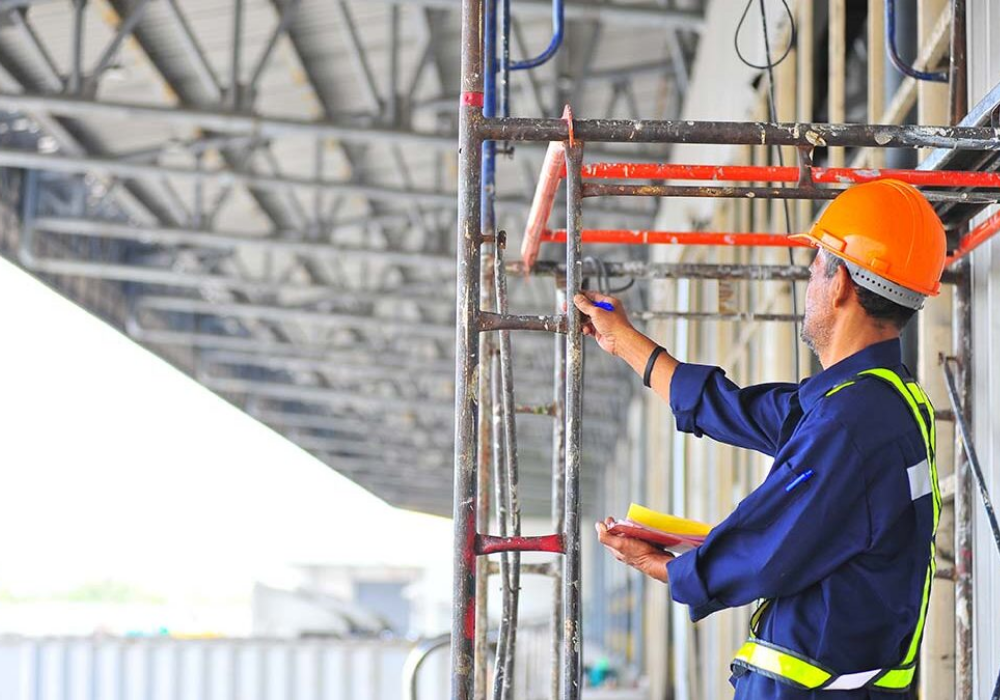
Scaffold Safety

Scaffold safety is a critical aspect of workplace safety in construction, maintenance, and other industries that involve working at heights. A scaffold is a temporary structure that provides a platform for workers to access high work areas safely. However, it can pose significant risks if not set up, used, and maintained correctly

Our Services

Safety Training / Safety Courses

Safety training courses provide individuals with the necessary knowledge and skills to identify and manage workplace hazards to ensure a safe and healthy working environment. These courses cover topics such as personal protective equipment, emergency response, hazard communication, and workplace ergonomics.

Audits and Surveys

Audits and surveys are methods used to assess and evaluate a company’s performance, processes, and policies. Audits are typically conducted internally by the company or externally by a third-party organization to ensure compliance with regulations and industry standards. Surveys, on the other hand, gather feedback

Man power and Services

Manpower and services refer to the workforce and the tasks they perform in a company or organization. It includes recruiting, hiring, training, and managing employees, as well as providing various services such as consulting, outsourcing, and temporary staffing to meet the needs of the business. 

Corporate Safety

Corporate safety refers to the set of policies and procedures implemented by a company to ensure the safety and well-being of its employees, customers, and stakeholders. It involves identifying and managing workplace hazards, providing adequate training and resources, and promoting a culture of safety

Offices Worldwide
0 +
Students Enroled
0 +
Courses
0 +
Awards & Recognitions
0 +
OurTestimonals

Any Questions?

Call Us Now